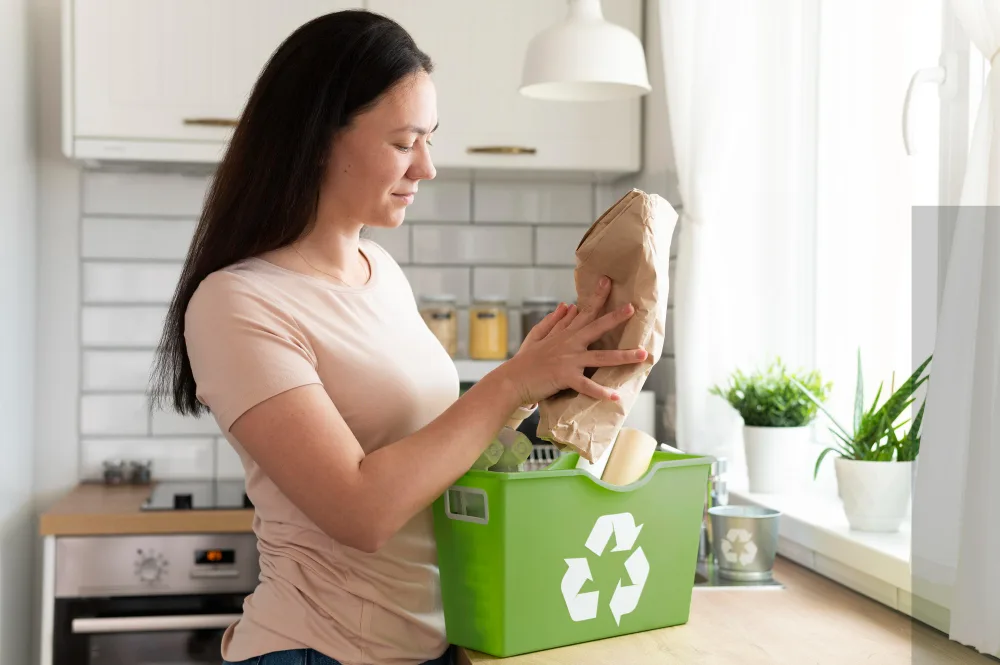
Living in an apartment offers convenience and community, but it can also present unique challenges, especially when it comes to managing waste and recycling. Limited space and shared facilities can make it seem difficult to maintain eco-friendly habits.
However, with a few simple strategies, apartment dwellers can make a significant positive impact on the environment. This guide will provide practical recycling and waste management tips specifically for those living in apartments. You'll learn how to maximize your space, understand local guidelines, and adopt simple habits that make sustainability an easy part of your daily routine. By the end, you'll have all the tools you need to become a recycling pro in your apartment community.
Why Recycling in Apartments Matters
Recycling is a cornerstone of sustainable living. It conserves natural resources, saves energy, and reduces the amount of waste sent to landfills. When we recycle, materials like paper, plastic, and glass are reprocessed into new products, which decreases the need to extract raw materials from the earth.
For residents of apartment complexes, collective recycling efforts can have a substantial impact. A community-wide commitment to proper waste management not only benefits the environment but also helps keep shared living spaces clean and pleasant for everyone. Many apartments in Simpsonville, SC, are equipped with recycling programs, making it easier than ever for residents to participate and contribute to a greener community.
Getting Started: Your 6-Step Recycling Plan
Ready to improve your recycling game? Here are six practical steps to help you manage waste effectively in your apartment.
1. Understand Your Local Recycling Rules
Recycling guidelines can vary from one city to another. The first step is to familiarize yourself with the specific rules for Simpsonville. Check your local municipality's website or the information provided by your apartment management to find out what can and cannot be recycled. Pay close attention to details like:
- Accepted Materials: Which plastics (by number), types of paper, glass colors, and metals are accepted?
- Sorting Requirements: Do you need to separate materials into different bins, or does your community use a single-stream system?
- Item Preparation: Should you rinse containers? Do you need to remove lids or labels?
Knowing these rules prevents "wish-cycling"—tossing non-recyclable items into the bin hoping they'll be recycled, which can contaminate the entire batch.
2. Set Up a Smart Recycling Station
Space is often a premium in apartments, but you don't need a lot of room for an effective recycling system. Designate a small area in your kitchen, pantry, or entryway for your recycling bin. Here are a few space-saving ideas:
- Vertical Bins: Use stackable bins to separate materials without taking up much floor space.
- Under-the-Sink Solutions: Pull-out bins or small containers can fit neatly under your kitchen sink.
- Stylish Containers: Choose attractive bins or woven baskets that blend in with your decor. You're more likely to use a system that you find visually appealing.
- Reusable Bags: Hang durable, reusable bags on a hook to collect different types of recyclables.
The goal is to make sorting recyclables as convenient as sorting trash.
3. Minimize Waste Before it Starts
The most effective way to manage waste is to reduce it at the source. Before you even think about recycling, consider how you can bring fewer disposable items into your home.
- Shop Smart: Opt for products with minimal or recyclable packaging. Buy in bulk when possible to reduce the number of containers.
- Embrace Reusables: Use reusable shopping bags, water bottles, coffee cups, and food containers.
- Say No to Disposables: Politely refuse plastic straws, disposable cutlery, and single-use bags when you're out.
By making conscious choices as a consumer, you'll have less to manage and recycle later.
4. Break Down and Compact Items
To make the most of your limited storage space, break down recyclable items. Flatten cardboard boxes and crush plastic bottles and aluminum cans. This simple step can dramatically reduce the volume of your recyclables, meaning fewer trips to the community recycling bins. Keeping items compact also helps make transportation easier for recycling facilities.
5. Handle Special Waste Items Correctly
Not everything can go into your regular recycling bin. Items like batteries, electronics, light bulbs, and hazardous waste require special disposal. Tossing these in the trash can be harmful to the environment.
- Batteries and Electronics (E-Waste): Many electronics stores and community centers in the Simpsonville area offer take-back programs for old gadgets and batteries.
- Hazardous Waste: Items like paint, cleaning chemicals, and motor oil should be taken to a designated hazardous waste collection facility.
- Plastic Bags: While not typically accepted in curbside bins, many grocery stores have collection points for plastic bags and film.
Always check for local drop-off locations for these special items to ensure they are disposed of safely and responsibly.
6. Start a Compost System
Did you know that food scraps make up a significant portion of household waste? Composting is a fantastic way to divert this organic waste from landfills, where it would otherwise produce harmful methane gas. Apartment composting might sound intimidating, but there are several easy options:
- Countertop Compost Bin: A small, stylish bin with a charcoal filter can sit on your kitchen counter to collect food scraps without any odor.
- Vermicomposting (Worm Bin): This compact system uses worms to break down food scraps into nutrient-rich compost, which is great for houseplants.
- Community Gardens: Some local community gardens in or near Simpsonville may accept food scraps for their compost piles.
Check with your apartment management to see if a community composting program is available.
Your New Home for Green Living
Creating a sustainable lifestyle in an apartment is entirely achievable. By understanding local guidelines, setting up a convenient system, and being mindful of your consumption, you can make a real difference.
If you're looking for a community that supports your eco-friendly goals, consider apartments that offer robust recycling programs. When searching for apartments for rent in Simpsonville, SC, ask about their waste management and recycling facilities.
At Garden District Apartment Homes, we are committed to providing our residents with the resources they need for a comfortable and sustainable lifestyle. Contact us today to schedule a personal tour and see how our community can be the perfect new home for you.