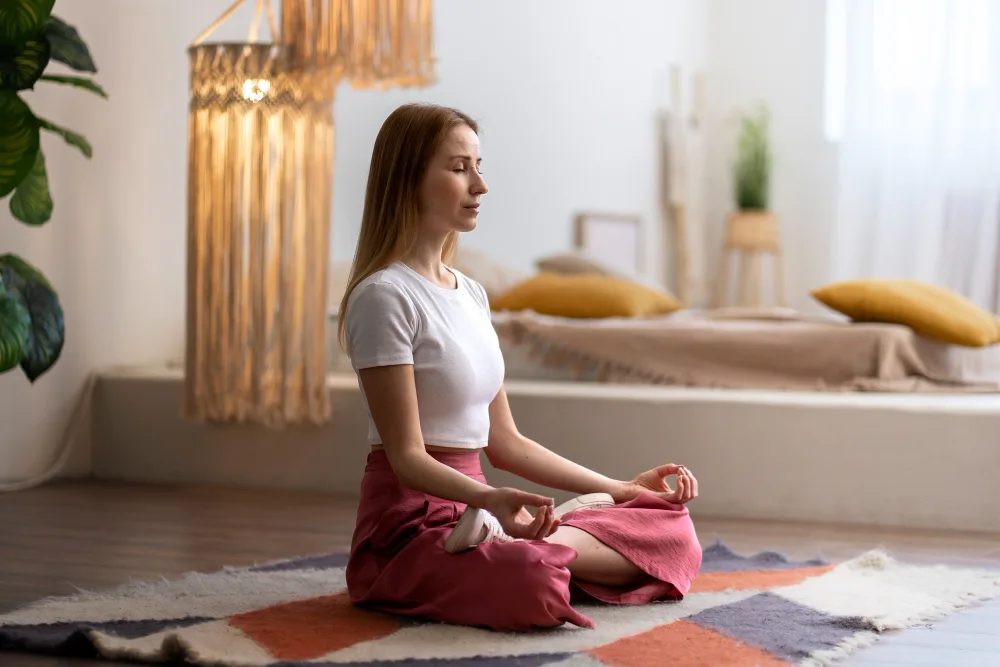
Finding peace and tranquility within the confines of your apartment can feel challenging, especially when space is limited. However, with thoughtful planning and creativity, you can transform even the smallest corner of your home into a serene meditation sanctuary. Whether you're settling into a new place or looking to enhance your current living situation, establishing a dedicated meditation space can significantly improve your mental well-being and daily routine.
Creating this sacred space doesn't require a massive budget or extensive renovations. With a few simple adjustments and mindful choices, you can carve out a peaceful retreat that supports your meditation practice and helps you disconnect from the stresses of daily life. The key lies in understanding how to maximize your available space while incorporating elements that promote calm and focus.
Choosing the Right Location in Your Apartment
The first step in creating your meditation space involves selecting the ideal location within your apartment. Look for a spot that receives natural light, as this can enhance your mood and create a more inviting atmosphere. A corner near a window often works perfectly, providing both illumination and a sense of openness.
Consider the noise levels in different areas of your apartment throughout the day. Avoid spaces directly adjacent to high-traffic areas or near appliances that might create distracting sounds. If your apartment layout is limited, don't worry—even a small section of your bedroom or living room can serve as an effective meditation zone.
Privacy plays a crucial role in maintaining focus during meditation. If you share your apartment with others, communicate your need for uninterrupted time in this space. Setting boundaries helps ensure your meditation practice remains consistent and peaceful.
Essential Elements for Your Meditation Corner
Comfortable Seating Options
Your seating choice can make or break your meditation experience. While traditional meditation cushions work well, they're not your only option. A comfortable chair, yoga mat, or even a soft blanket can provide adequate support. The key is ensuring your chosen seating allows you to maintain good posture without causing discomfort during longer sessions.
Consider investing in a meditation cushion or zabuton if your budget allows. These specialized items are designed to support proper alignment and can enhance your practice significantly. However, folded blankets or firm pillows can serve as excellent alternatives when you're just starting out.
Creating the Right Atmosphere
Lighting plays a vital role in setting the mood for meditation. Natural light works best during daytime sessions, while soft, warm lighting creates a cozy atmosphere for evening practice. Consider adding candles, a small lamp, or string lights to create gentle illumination that promotes relaxation.
Incorporating plants into your meditation space can improve air quality while adding a natural element that many find calming. Low-maintenance options like succulents, snake plants, or pothos work well in apartment settings and require minimal care.
Minimizing Distractions
Keep your meditation space clutter-free and simple. Remove unnecessary items that might catch your eye or create mental distractions. A clean, organized space promotes mental clarity and helps you focus more effectively on your practice.
Consider using a small basket or container to store meditation-related items like cushions, blankets, or journals when not in use. This approach keeps your space tidy while ensuring everything you need is easily accessible.
Personalizing Your Sacred Space
Incorporating Meaningful Objects
Personal touches can make your meditation space feel more inviting and meaningful. Consider adding items that hold special significance, such as crystals, small sculptures, or photographs that inspire peace and positivity. However, be mindful not to overcrowd the space—a few carefully chosen items often prove more effective than numerous decorations.
A small altar or designated shelf can serve as a focal point for meaningful objects. This doesn't need to be religious in nature; it can simply be a space where you place items that inspire calm and reflection.
Scent and Sound Considerations
Aromatherapy can significantly enhance your meditation experience. Essential oils like lavender, sandalwood, or eucalyptus can promote relaxation and help signal to your mind that it's time to meditate. Use a diffuser, incense, or scented candles to introduce pleasant fragrances into your space.
Consider the acoustic environment of your meditation area. While complete silence isn't necessary, consistent background noise can be more conducive to meditation than intermittent sounds. Some people find soft instrumental music or nature sounds helpful, while others prefer silence.
Maximizing Small Spaces
Multi-Purpose Solutions
Many apartment dwellers need their meditation space to serve multiple functions. Consider using furniture that can be easily moved or stored when not in use. A folding screen can create privacy and define your meditation area without permanently dividing the room.
Storage ottomans or benches can provide seating while offering space to store meditation supplies. This dual functionality helps keep your apartment organized while maintaining a dedicated area for your practice.
Vertical Space Utilization
When floor space is limited, think vertically. Wall-mounted shelves can hold plants, candles, or meaningful objects without taking up valuable floor real estate. Hanging planters or wall-mounted air plants can add natural elements without requiring surface space.
Consider using wall decals or artwork that promotes tranquility. Nature scenes, mandala designs, or inspirational quotes can enhance the atmosphere without requiring additional furniture or floor space.
Maintaining Your Meditation Practice
Establishing Routine
Consistency is key to developing a successful meditation practice. Try to meditate in your designated space at the same time each day, even if only for a few minutes. This routine helps train your mind to associate the space with relaxation and focus.
Keep your meditation space ready for use at all times. Having to set up and tear down your area repeatedly can create barriers to regular practice. Instead, maintain your space so you can begin meditating whenever the mood strikes.
Seasonal Adjustments
Your meditation space can evolve with the seasons and your changing needs. Lighter fabrics and fresh flowers might enhance your spring practice, while warmer blankets and evergreen scents could improve winter sessions. These small adjustments keep your space feeling fresh and engaging.
Finding Your Perfect Apartment for Meditation
Creating an ideal meditation space becomes much easier when you start with the right apartment. Look for units that offer good natural light, reasonable noise levels, and flexible layouts that can accommodate your wellness needs. The right living space can significantly impact your ability to maintain a consistent meditation practice.
If you're searching for apartments in Simpsonville, SC, that offer the space and serenity you need for your meditation practice, contact Garden District Apartments today to schedule a personal tour. Their thoughtfully designed units and peaceful community atmosphere provide an excellent foundation for creating your perfect meditation sanctuary.
Your meditation space should reflect your personal style while promoting peace and tranquility. With careful planning and creativity, even the smallest apartment can accommodate a meaningful meditation practice that enhances your daily life and overall well-being.